

Commercial Articles
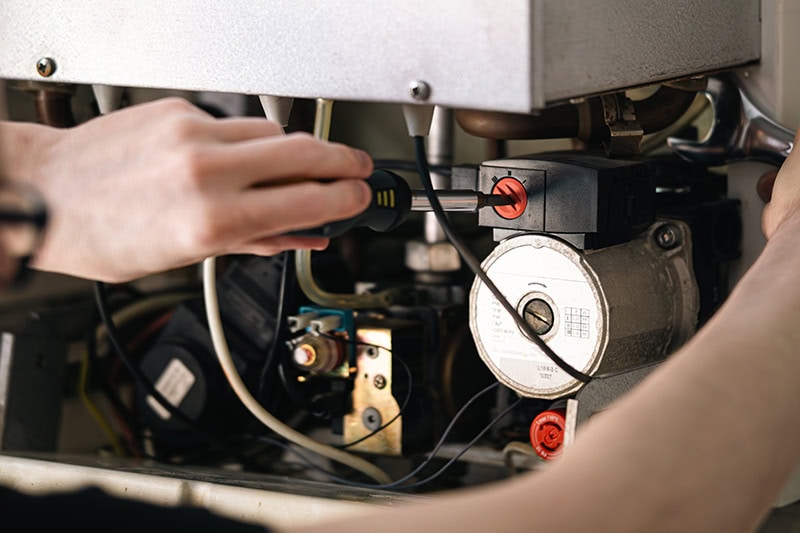
As a business owner, maintaining a comfortable environment for your employees and customers is essential. Your commercial heating system plays a crucial role in achieving this goal. However, there comes a time when you must decide whether to fix or upgrade your existing commercial heating equipment. Making the right choice depends on various factors, including…
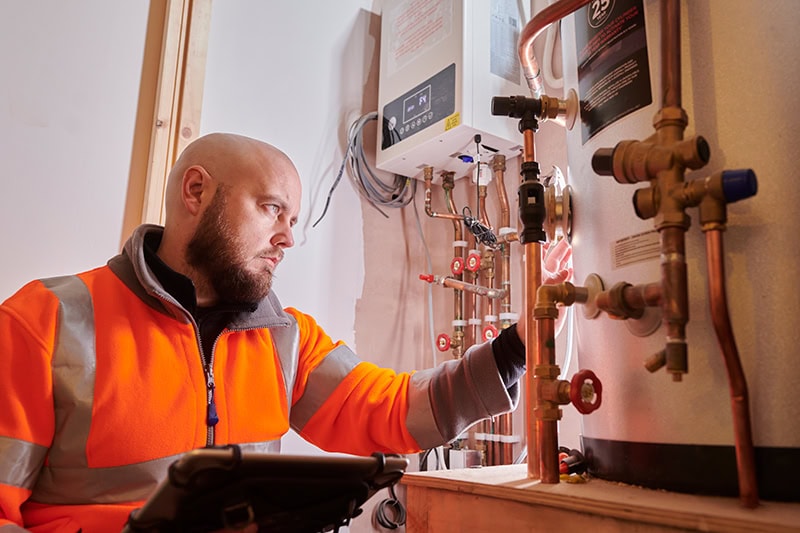
Maintaining a commercial boiler is essential for ensuring reliable heat, hot water, and smooth operations throughout your facility. A well-maintained boiler not only enhances energy efficiency but also reduces the risk of costly breakdowns and extends the lifespan of your equipment. Whether you run a small business or manage a large commercial building in ,…
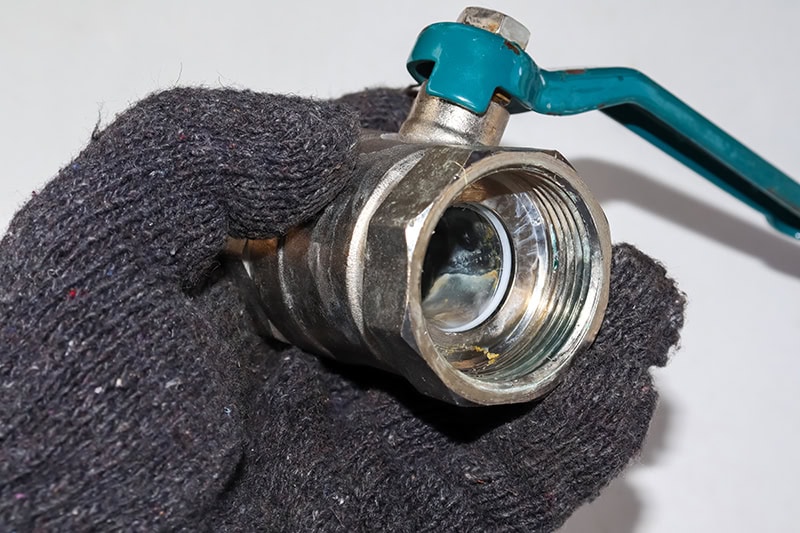
As a business owner, you juggle countless responsibilities to ensure smooth operations and the safety of your employees and customers. The integrity of your commercial plumbing system is a significant, yet sometimes overlooked, factor in your success. At , we know that a seemingly minor issue like backflow can have significant and potentially hazardous consequences.…
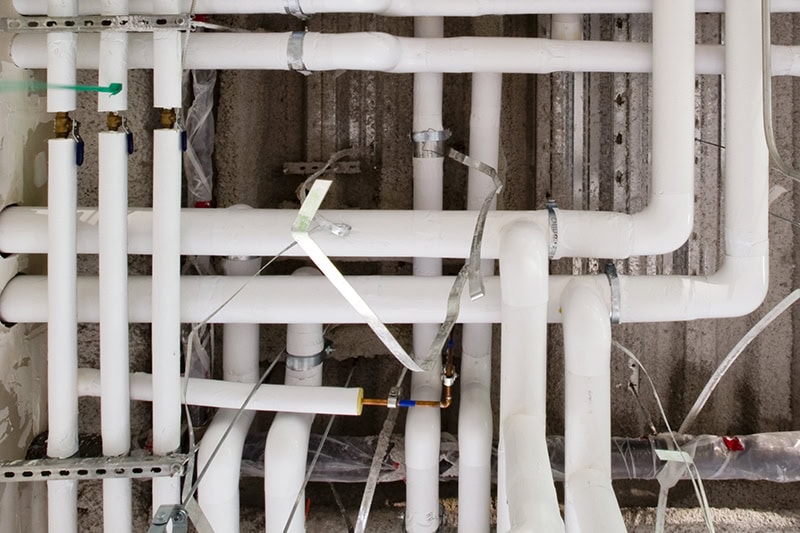
Commercial boilers are the backbone of many businesses, providing heat that’s essential for daily operations. However, even the most reliable systems can encounter issues that disrupt functionality. Addressing these problems promptly ensures minimal downtime and optimal performance for your , company. Here, the team at has outlined some common commercial boiler issues and solutions to…
The boiler in your building keeps your customers, tenants, and employees warm and comfortable throughout the winter months. When your boiler breaks down, everybody in your building suffers. That’s why it is critical to maintain your boiler and pinpoint possible problems right away rather than allowing them to linger. If your boiler breaks down unexpectedly,…

Having no heat in your , business is more than an inconvenience. When your commercial boiler stops heating, it can cost you customer business, productivity, and money. At , we want to help you take care of your investments—both your company and your boiler. To protect your business’s equipment and systems, you need consistent heating…
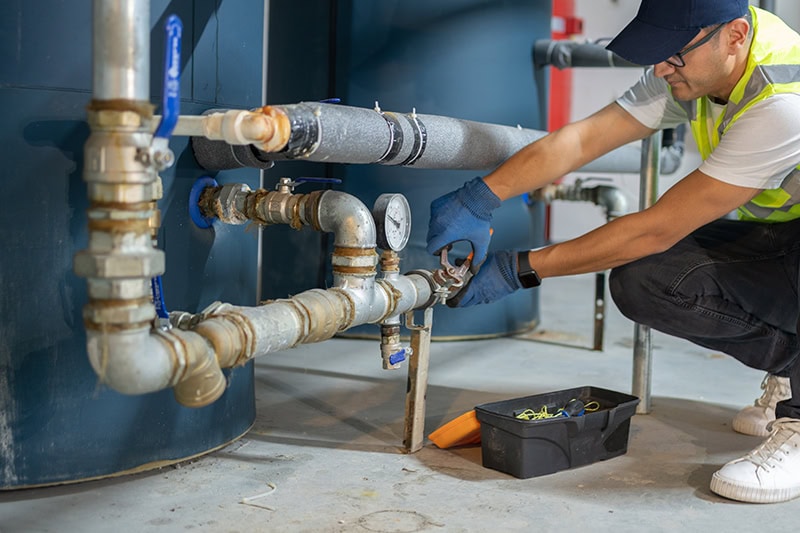
When it comes to managing a , commercial property—whether it’s a retail store, office building, restaurant, or healthcare facility—plumbing issues can cause major disruptions. From leaking pipes to clogged drains and faulty water heaters, plumbing problems can escalate quickly, resulting in downtime, unhappy tenants or customers, health code violations, and expensive emergency repairs. That’s why…
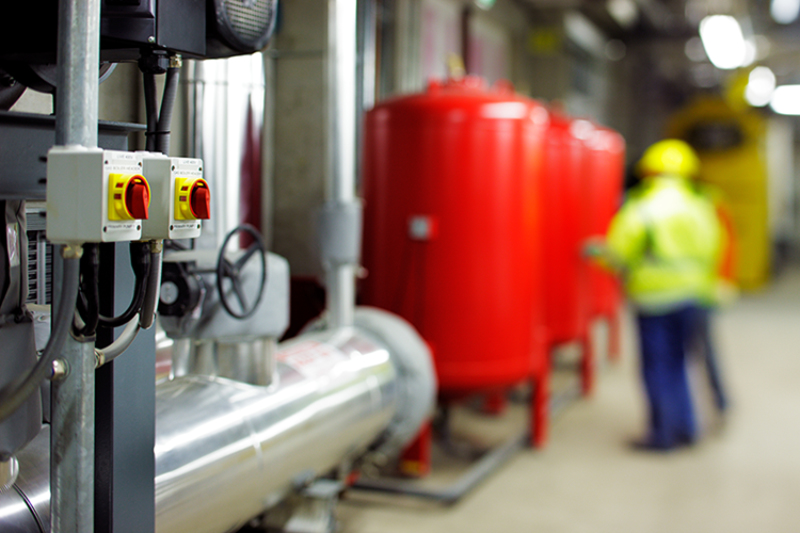
What do you know about kettling? Is it: A. The process of sweetening popcorn B. A new sport played on the ice with brooms and tea kettles C. A sign your commercial boiler needs attention If you chose C, you know boilers! Kettling is the reason you hear a banging noise coming from your commercial…

Maintenance keeps repair costs down and maximizes efficiency. That’s why it’s imperative to game plan for taking care of your air conditioner, furnace, or boiler. Heating, ventilation, and air conditioning (HVAC) make up about 44 percent of energy costs for the average business, according to the U.S. Department of Energy (DOE).